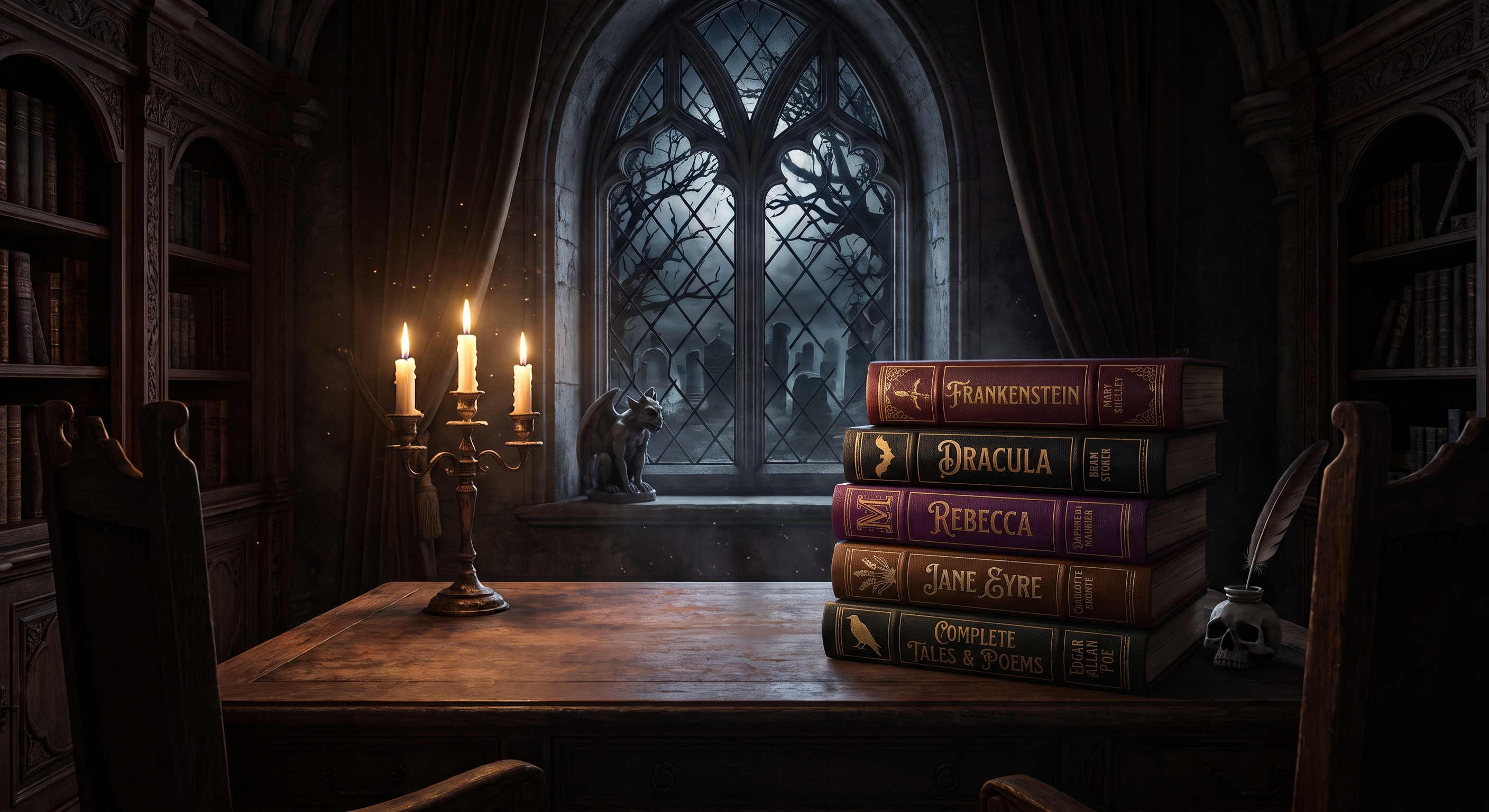
Put down the bright screens, silence the artificial notifications, and step away from the blinding light of modern distractions.
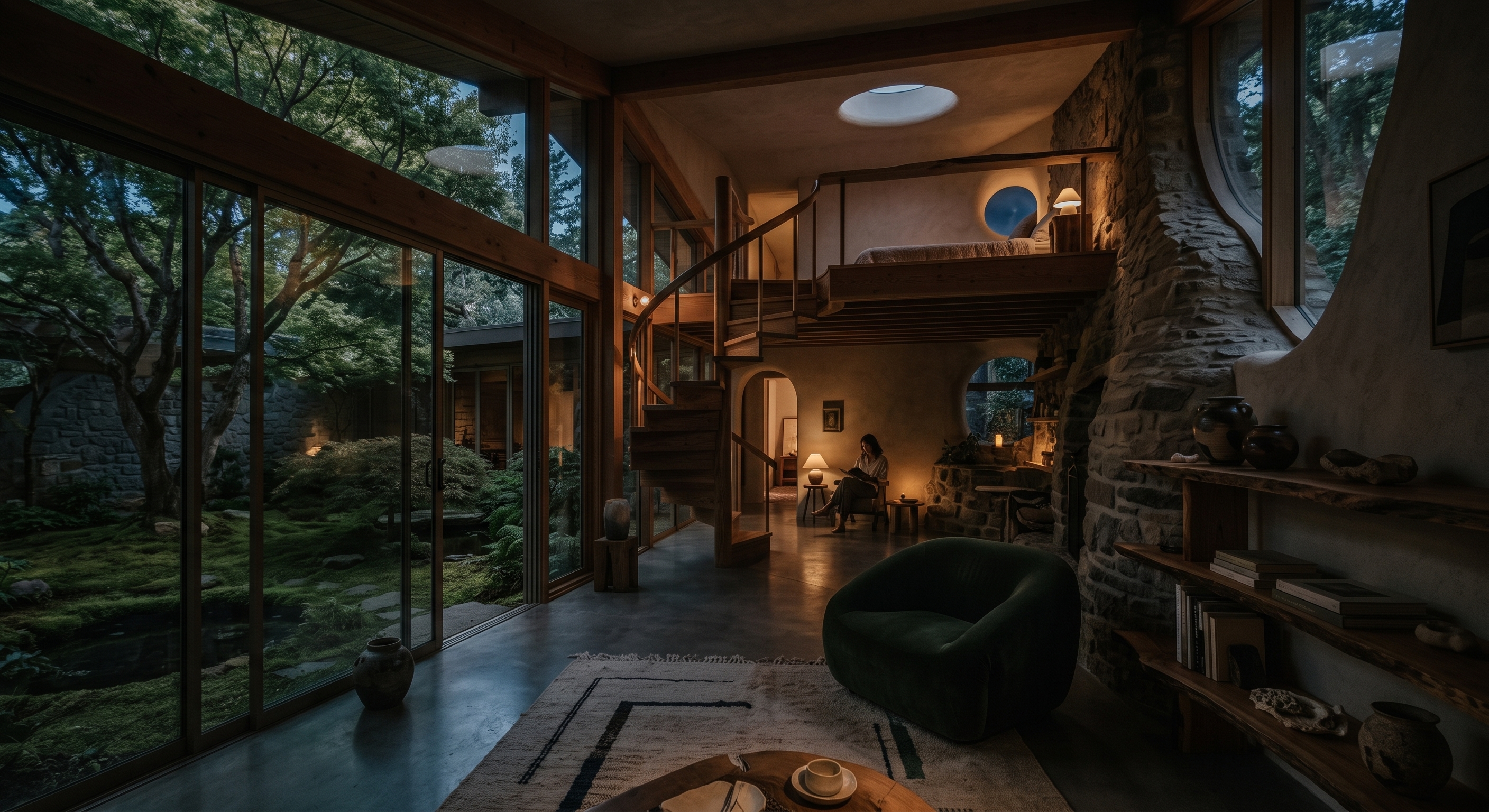
If you wish to remember what true literary immersion feels like, you must return to the masters of gothic atmosphere. Pull a heavy velvet armchair up to a single flickering candle, turn off the overhead lights, and let these five dark masterpieces unravel your nerves and awaken your intellect.
First is Mary Shelley’s Frankenstein. Far beyond the crude cinematic tropes, Shelley’s original text is a profound, melancholic exploration of ambition, isolation, and the chilling consequences of playing creator. It is a novel best absorbed when the wind rattles the glass outside your window. Second stands Bram Stoker’s Dracula, an epistolary triumph of creeping dread, seductive power, and the eternal clash between repressed Victorian society and untamed nocturnal desire.
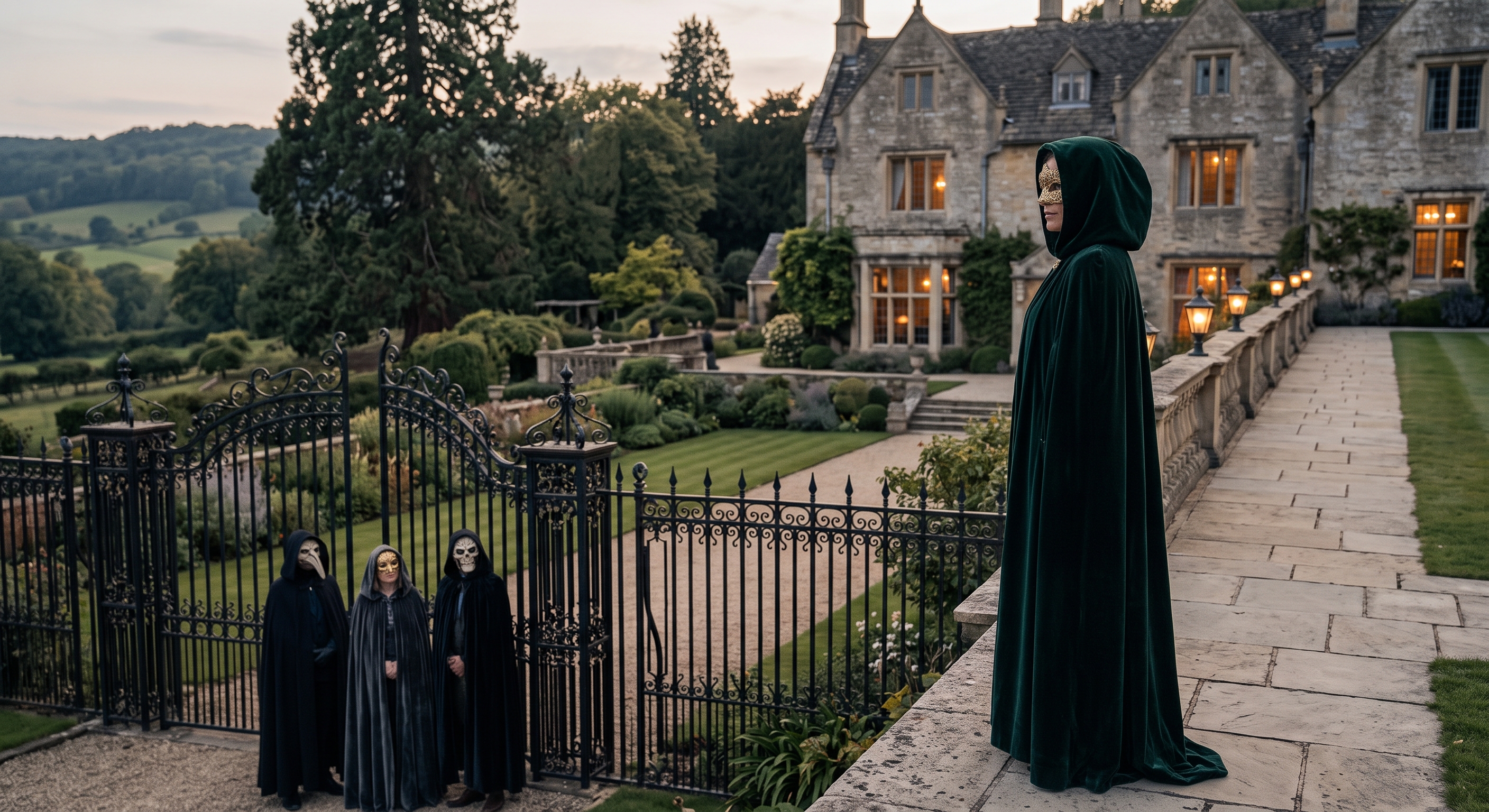
Third, we look to Daphne du Maurier’s Rebecca. Opening with the haunting declaration, "Last night I dreamt I went to Manderley again," du Maurier constructs an intoxicating masterclass in psychological tension, jealousy, and the ghosts that inhabit grand old estates. Fourth is Charlotte Brontë’s Jane Eyre, where Thornfield Hall looms with locked attic doors, hidden secrets, and a fierce, uncompromising heroine who refuses to be subdued by circumstance.
Finally, plunge into the eerie, atmospheric short fiction of Edgar Allan Poe. Whether navigating the crumbling masonry of the House of Usher or listening to the rhythmic beating of a tell-tale heart, Poe reminds us that true horror is psychological, poetic, and deeply romanticized. Read these works not as casual entertainment, but as sacred texts for the midnight mind.